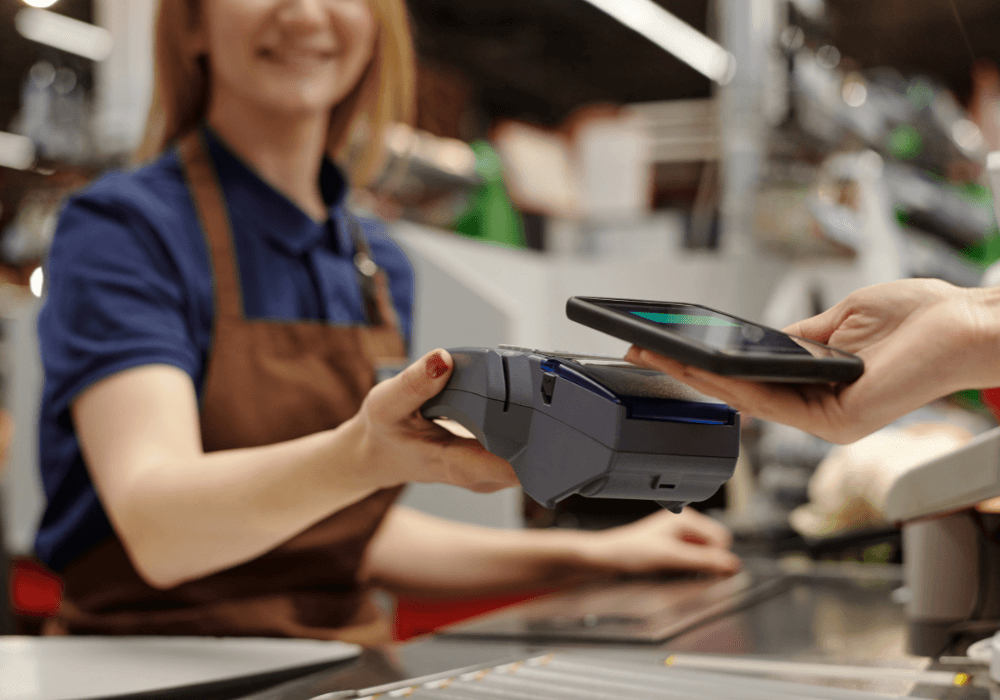
Food waste is a major challenge in the restaurant and foodservice industry, leading to lost revenue and higher operational costs. At the same time, effective inventory management is crucial to ensure popular items are always available while minimizing excess stock. Modern POS (Point of Sale) systems play a key role in addressing both issues by providing real-time inventory tracking, analytics, and automation to optimize food usage and control costs.
Understanding Food Waste in Restaurants
Causes of Food Waste
Food waste can occur due to over-preparation, spoilage, inaccurate orders, or poor stock management.
Financial and Environmental Impact
Wasted food leads to lost revenue, higher purchase costs, and contributes to environmental issues like increased landfill waste.
How POS Systems Help Manage Inventory
Real-Time Stock Tracking
POS systems automatically update inventory levels with every sale, return, or ingredient usage, providing accurate stock visibility.
Ingredient-Level Management
Restaurants can track raw materials and ingredients in real time, ensuring that each item is used efficiently.
Alerts for Low Stock and Expiry
Automated notifications alert staff when stock is running low or approaching its expiry date, preventing spoilage and last-minute shortages.
Forecasting Demand and Reducing Overproduction
Sales Trend Analysis
POS analytics track historical sales and peak hours, helping predict demand for menu items.
Smarter Ordering and Preparation
Accurate demand forecasting allows chefs and managers to prepare the right amount of food, reducing overproduction.
Portion Control and Recipe Management
Standardized Recipes
POS systems store recipe details, ensuring consistent portion sizes and ingredient usage across all dishes.
Reducing Waste at the Source
By following standardized recipes, restaurants can prevent excess ingredient usage and minimize leftovers.
Integration with Kitchen Operations
Kitchen Display Systems (KDS)
Orders are sent directly to the kitchen in real time, ensuring precise preparation and reducing mistakes.
Tracking Modifications and Special Requests
POS systems record modifications and special instructions to avoid mis-prepared dishes and unnecessary waste.

Reporting and Insights for Continuous Improvement
Inventory Reports
POS systems generate detailed reports on stock levels, usage, and wastage trends.
Identifying Slow-Moving Items
Insights from POS analytics help identify menu items that sell slowly, allowing managers to adjust offerings or promote them effectively.
Cost Control and Profitability
Better inventory management reduces food waste, helping improve margins and overall profitability.
Benefits of Using POS for Food Waste Reduction
Lower Operational Costs
Efficient inventory control reduces losses due to spoilage and over-purchasing.
Improved Customer Satisfaction
By ensuring menu items are always available and properly prepared, restaurants provide a consistent customer experience.
Environmental Responsibility
Minimizing food waste contributes to sustainability efforts and positive brand perception.
Conclusion
POS systems are essential tools for restaurants and foodservice businesses looking to reduce food waste and optimize inventory management. With real-time tracking, analytics, recipe standardization, and automated alerts, POS software ensures ingredients are used efficiently, orders are fulfilled accurately, and waste is minimized. By leveraging these capabilities, restaurants can improve profitability, enhance operational efficiency, and contribute to a more sustainable foodservice industry.