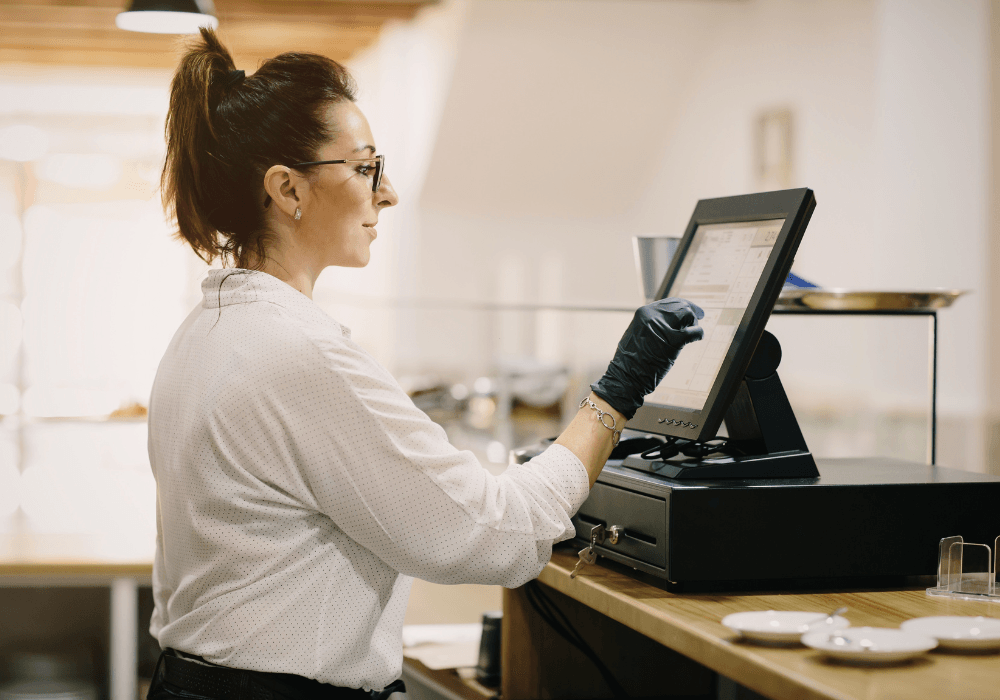
POS for Fine Dining: Tailoring Technology to the Guest Experience

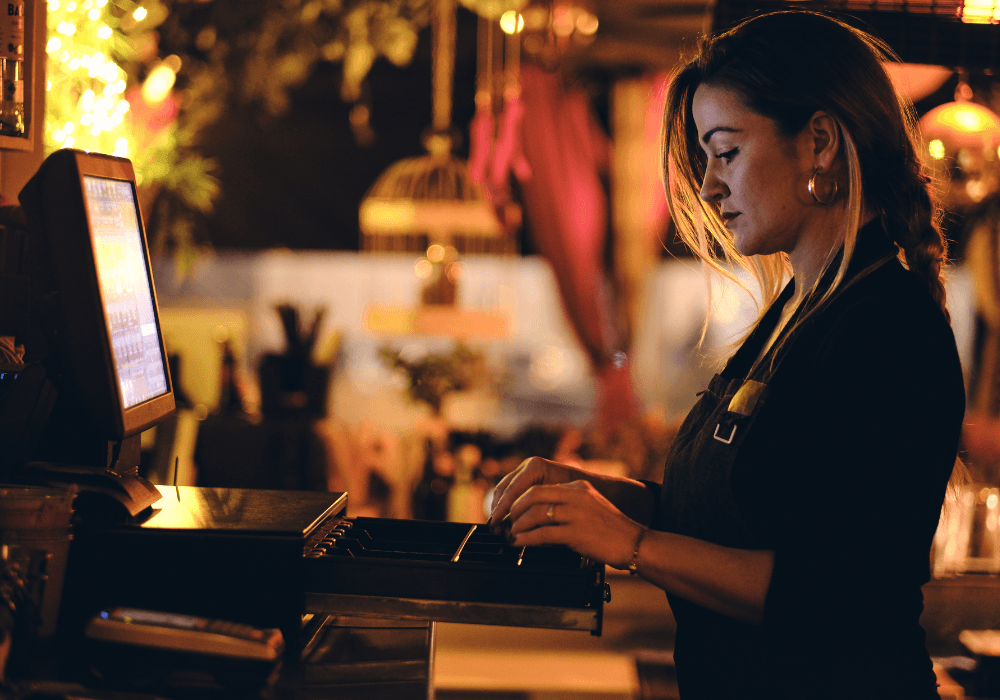
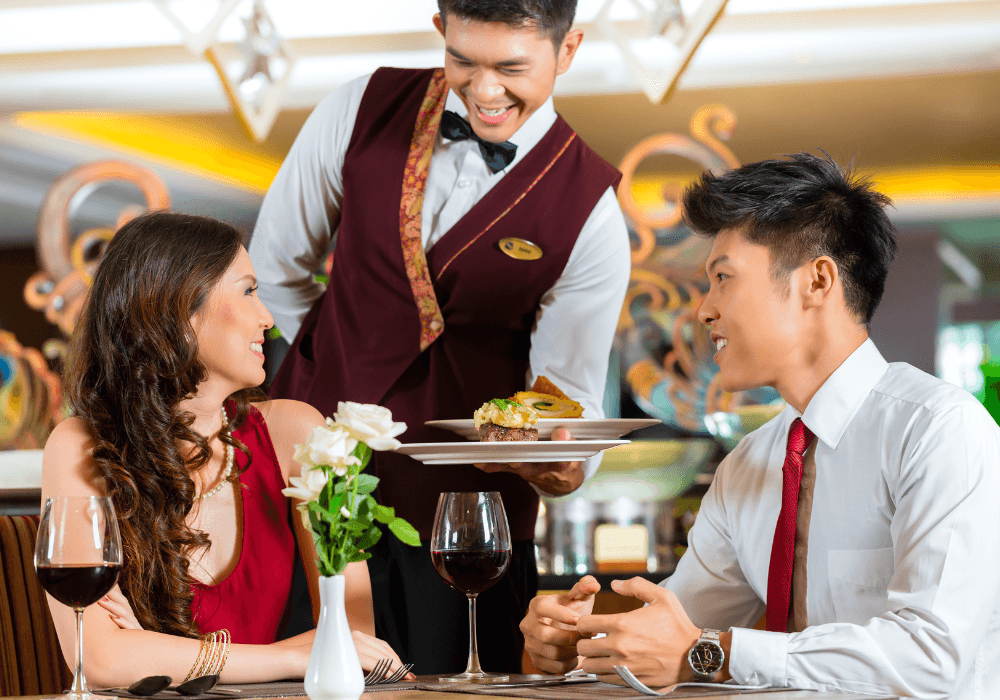
In fine dining, guest experience is everything. From the ambiance to the menu to the service, every detail plays a crucial role in creating a memorable visit. In this high-end environment, Point of Sale (POS) systems do more than just process orders—they’re a key part of delivering exceptional service and streamlining operations. This article explores how POS technology is specifically tailored to the needs of fine dining establishments, enhancing the overall guest experience and ensuring smooth restaurant management. 🍽️ Why Fine Dining Requires a Specialized POS SystemFine dining establishments are distinct from casual eateries. The level of personalization, attention to detail, and premium service they provide demands more from a POS system. Traditional POS systems, while adequate for fast-casual settings, often fall short when it comes to handling the complex needs of high-end dining. Key Requirements for Fine Dining POS:
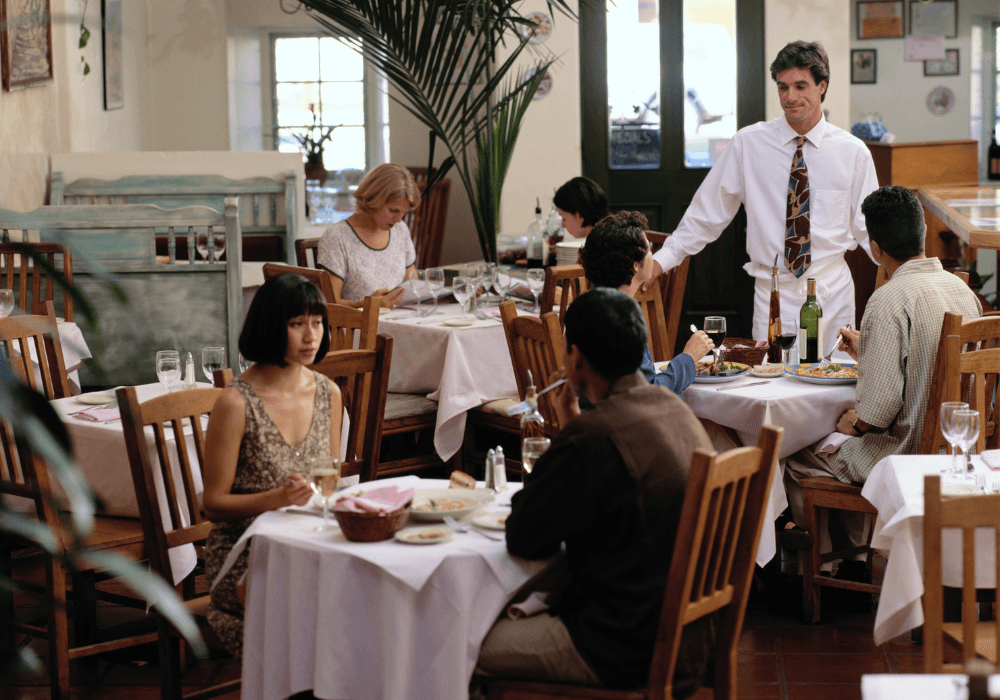
🛠️ Key Features of a Fine Dining POS SystemA robust POS system for fine dining goes beyond basic order taking and payment processing. Here are the essential features that make a fine dining POS system a true asset to the restaurant: 1. Advanced Table ManagementFine dining often involves complex reservations, walk-ins, and special seating arrangements. A specialized POS system allows managers to track table availability in real-time, assign tables efficiently, and prevent overbooking.
2. Customizable OrdersGuests dining at fine restaurants often request customizations to dishes, whether due to dietary restrictions or personal preferences. POS systems for fine dining must support complex and detailed order modifications without slowing down the service.
3. Integrated Wine and Beverage ManagementFine dining often includes extensive wine lists and craft cocktails. A POS system can integrate beverage orders with detailed inventory management to keep track of stock levels and suggest pairings.
4. معالجة مدفوعات سلسةGuests at fine dining establishments expect quick and secure payment options. A sophisticated POS system makes splitting bills, processing multiple payments, and handling tips easy.
🌟 Enhancing the Guest Experience with POS TechnologyFine dining restaurants thrive on providing personalized experiences that make guests feel special. A modern POS system can enhance this experience by offering features that go beyond the basic functionality of order taking and billing. 1. Guest Profile ManagementA high-end POS system can store guest preferences and dining history. This allows staff to personalize service, remembering guests’ favorite dishes, wine preferences, or special occasions.
2. Real-Time Communication Between Front and Back of HouseA seamless connection between front-of-house (servers, hosts) and back-of-house (kitchen, bar) is crucial for fine dining. POS systems eliminate delays and miscommunications by sending orders directly to the kitchen in real-time.
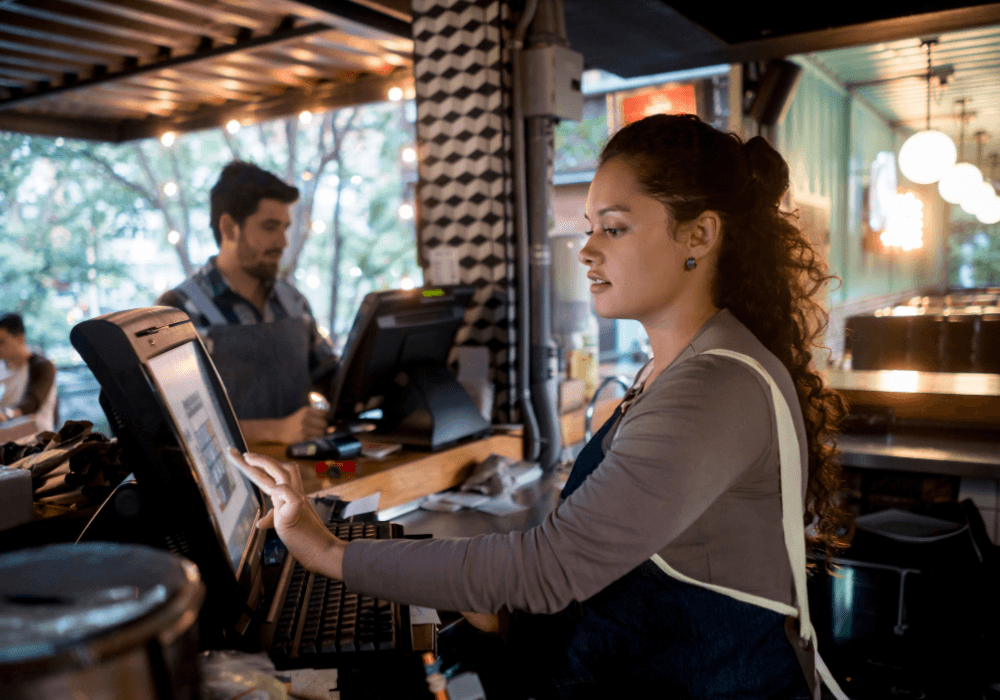
3. Enhanced Server EfficiencyFine dining restaurants operate in a fast-paced environment where precision and efficiency are key. POS systems help servers work quickly and accurately, ensuring they focus on providing a top-tier experience rather than dealing with administrative tasks.
🔐 Data Security and Compliance in Fine Dining POS SystemsIn the fine dining sector, protecting customer data is essential, especially when handling sensitive payment information. A secure POS system ensures that guest data is encrypted, payments are processed securely, and regulatory compliance is met. Key Security Features:
📊 Reporting and Analytics: Insight for Better ManagementA powerful POS system doesn’t just handle orders and payments—it also provides valuable insights into restaurant performance. From sales trends to employee productivity, a fine dining POS system generates reports that inform decision-making. 1. Sales and Profitability AnalysisTrack which menu items are the most popular and profitable, allowing you to optimize your menu offerings and pricing.
2. Labor Management and EfficiencyManaging labor costs is vital in fine dining, where service levels need to be high but efficient. POS systems can track staff hours, tips, and performance, helping to reduce labor costs and improve productivity.
🏅 Conclusion: POS Systems—A Key Ingredient in Fine Dining SuccessIn the world of fine dining, where precision, personalization, and premium service are paramount, POS technology plays a critical role in ensuring that all operations run smoothly. From advanced table management to customizable orders and seamless payment processing, a tailored POS system allows fine dining establishments to deliver exceptional guest experiences while optimizing back-end operations. By investing in the right POS system, fine dining restaurants can elevate service quality, improve operational efficiency, and enhance guest satisfaction—all key components to ensuring long-term success. |